Most visitors to Turks and Caicos arrive in Providenciales and remain there, moving between their villa, the beach, and a handful of restaurants they return to each evening. This is not a criticism — Grace Bay earns its devotion — but it does mean that a great deal of the archipelago goes largely unseen. For those who are curious, what lies beyond the main island is extraordinary.
Turks and Caicos is not one island but forty, of which only eight are inhabited and fewer than that are easily accessible. The distances between them are not vast, and a boat or small charter aircraft changes everything. What follows is a partial map of what a more adventurous stay might include.
North Caicos: The Green Island
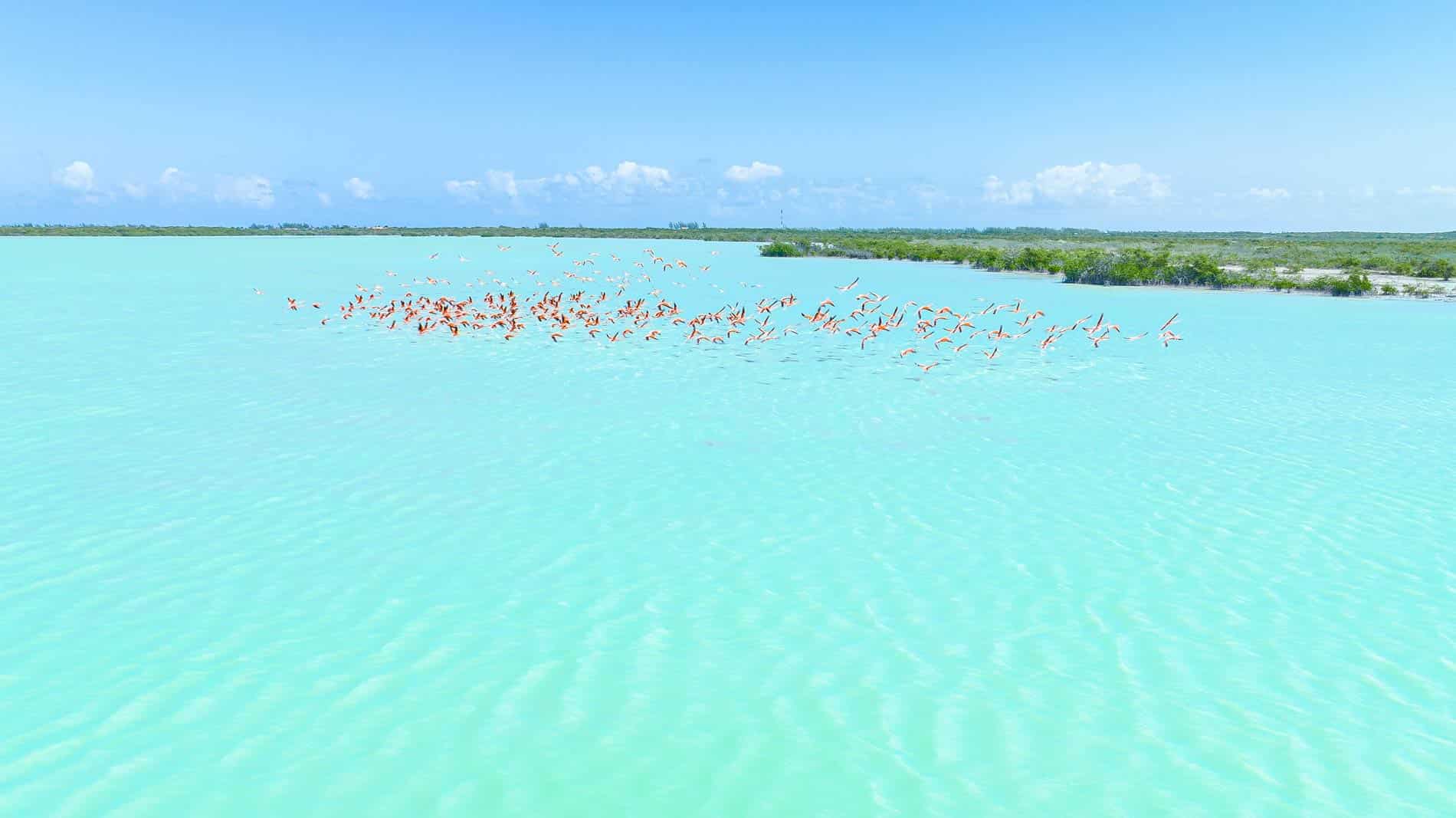
Most people do not realise that Turks and Caicos has an interior at all, let alone one that looks like this. North Caicos — reachable by a short ferry from Providenciales — is the most fertile island in the chain, its landscape shaped by freshwater ponds and dense vegetation that feels almost incongruous alongside the reef-and-sand imagery that defines the destination’s reputation. Flamingos wade in the ponds at Flamingo Pond, a sight so improbable that first-time visitors sometimes assume they have been staged. They have not.
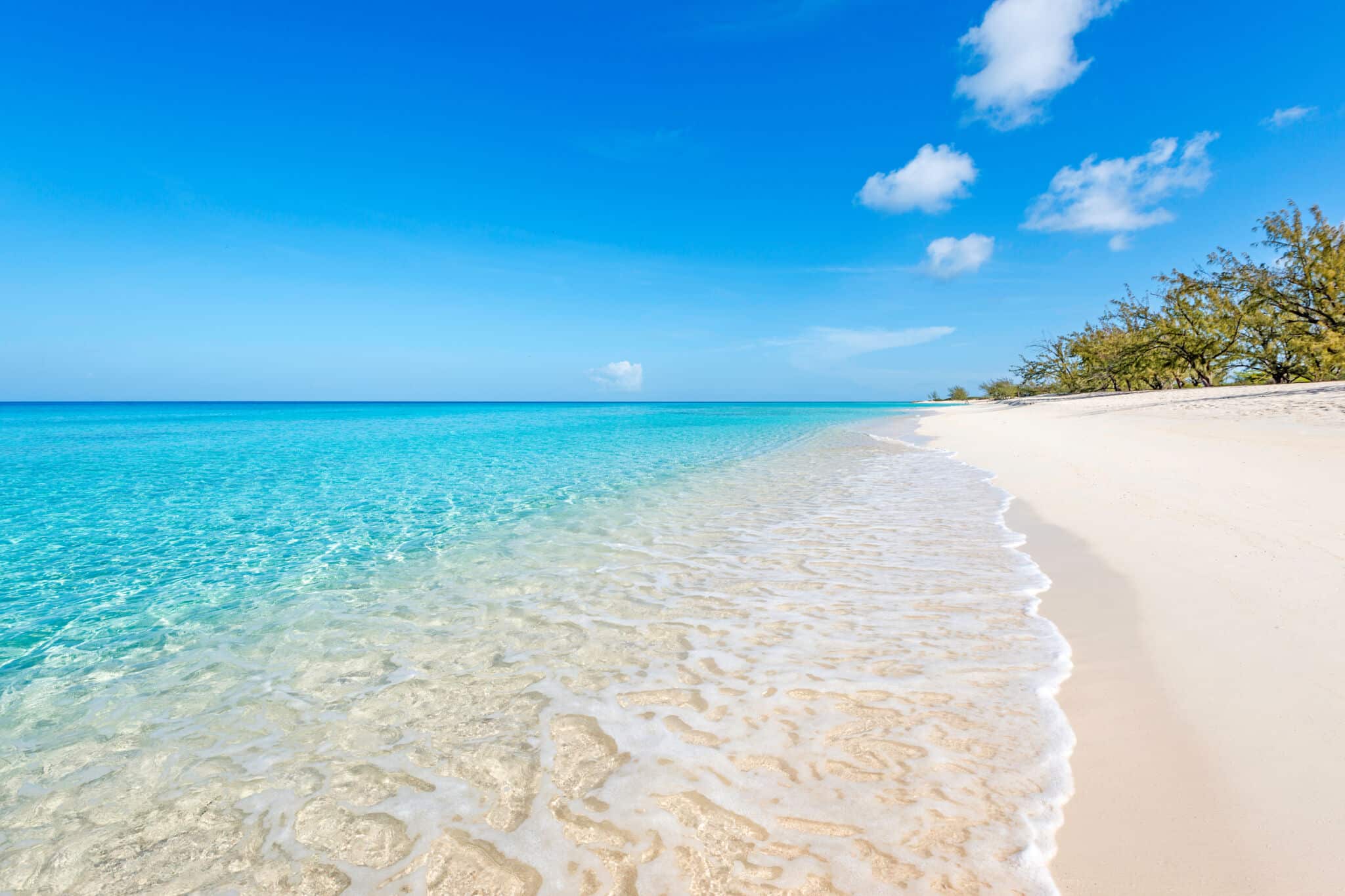
The island’s plantation history is visible in the ruins at Wade’s Green, one of the best-preserved Loyalist estates in the British Caribbean. There are no crowds here, and the beaches — Whitby, in particular — are long, deserted and genuinely beautiful. North Caicos rewards the kind of traveller who finds unmarked places more interesting than celebrated ones.
Middle Caicos: Caves & Silence
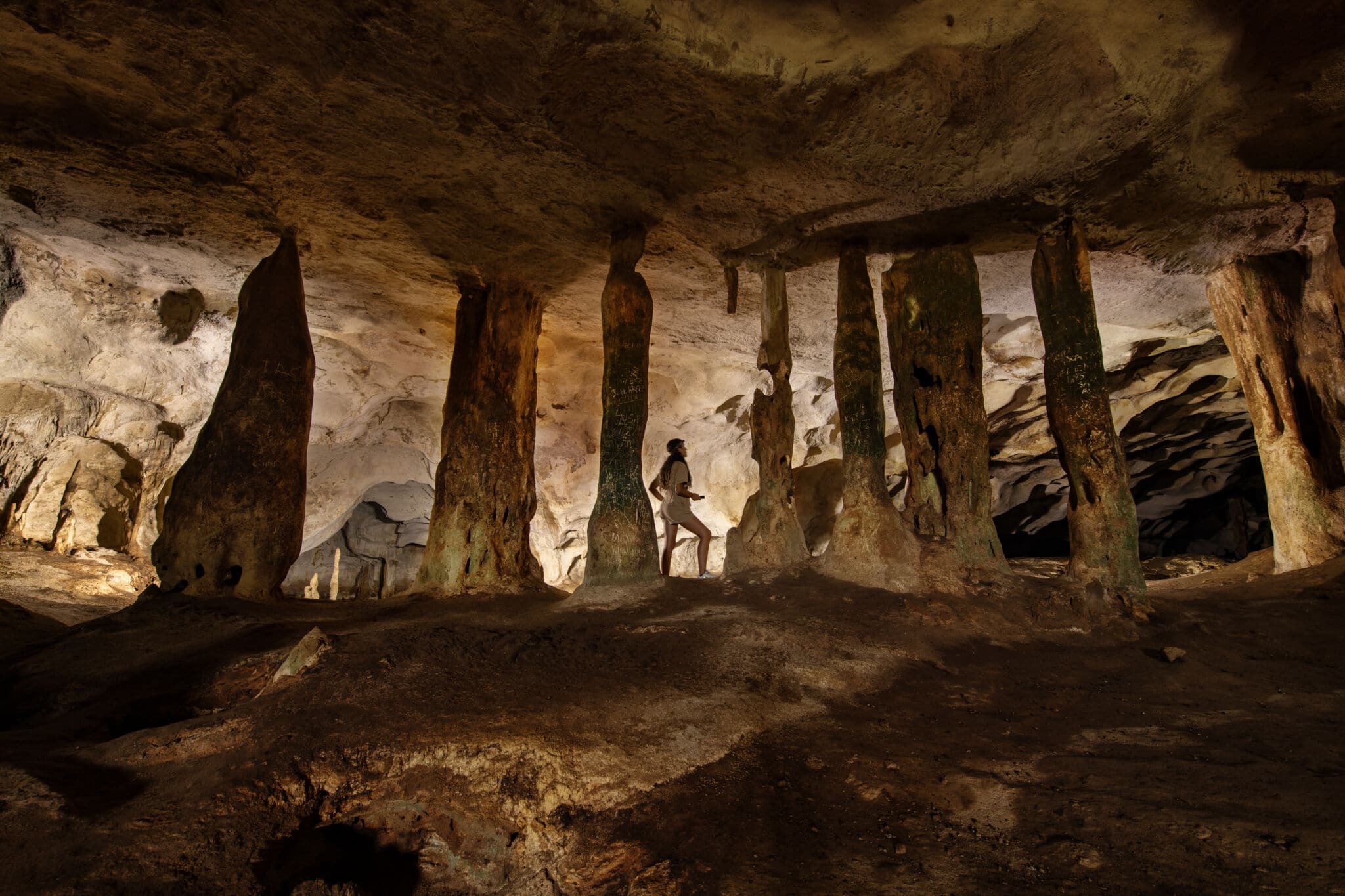
Connected to North Caicos by a causeway, Middle Caicos is the largest island in the archipelago and the quietest. The Conch Bar Caves are its most remarkable feature — a limestone cave system of genuine scale, with stalactites, underground lakes, and the remains of Lucayan habitation dating back centuries. The caves are not difficult to access, but they feel genuinely remote, which is much of the point.
The coastline here is wild in a way that Grace Bay is not. Mudjin Harbour presents a drama of cliffs and offshore cays that looks nothing like the postcard version of TCI — and all the more compelling for it. This is the island for a day when the mood is exploratory rather than horizontal.
Salt Cay: the time-capsule island
South of Grand Turk, Salt Cay is perhaps the most atmospheric place in the entire archipelago. It was the centre of the islands’ salt industry for two centuries, and the evidence is everywhere: salinas that still hold their geometric shape, the ruins of the salt warehouses, the whale house that once processed the catches brought in during the humpback migration. The island has a population of fewer than a hundred people, a single road, and an atmosphere of absolute stillness.
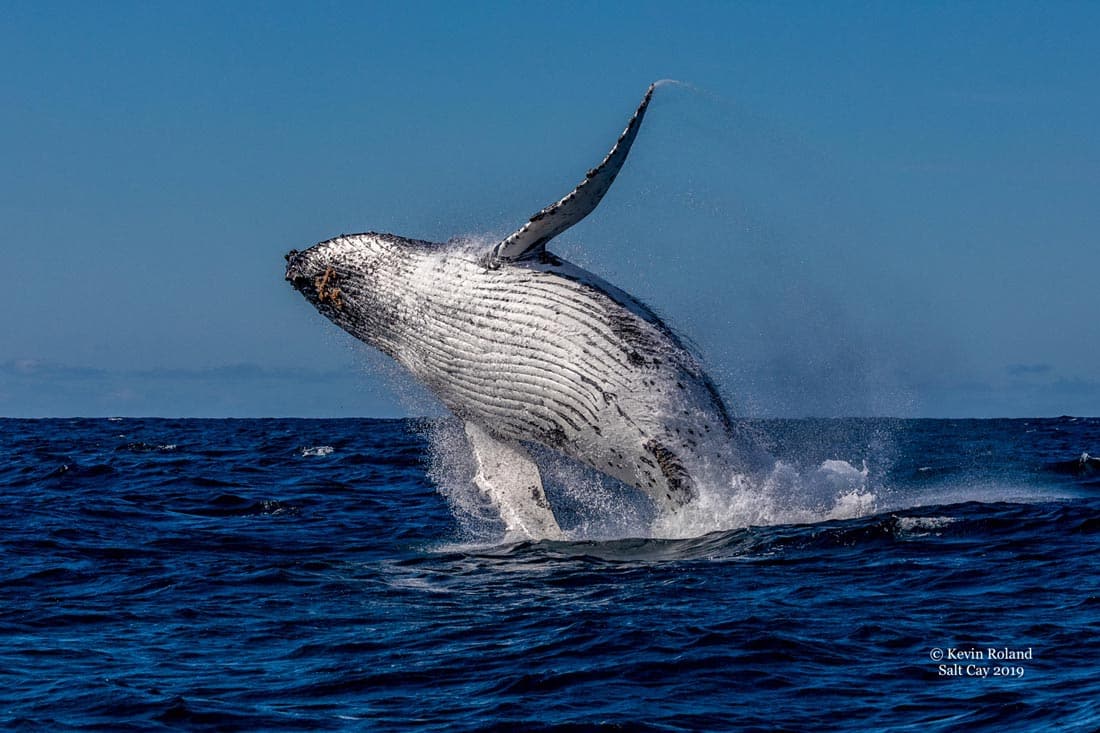
Between January and April, humpback whales pass through the Turks Island Passage on their way to their breeding grounds — one of the more accessible whale-watching experiences in the Atlantic. From Salt Cay, the sightings are close.
Grand Turk: the capital with depth
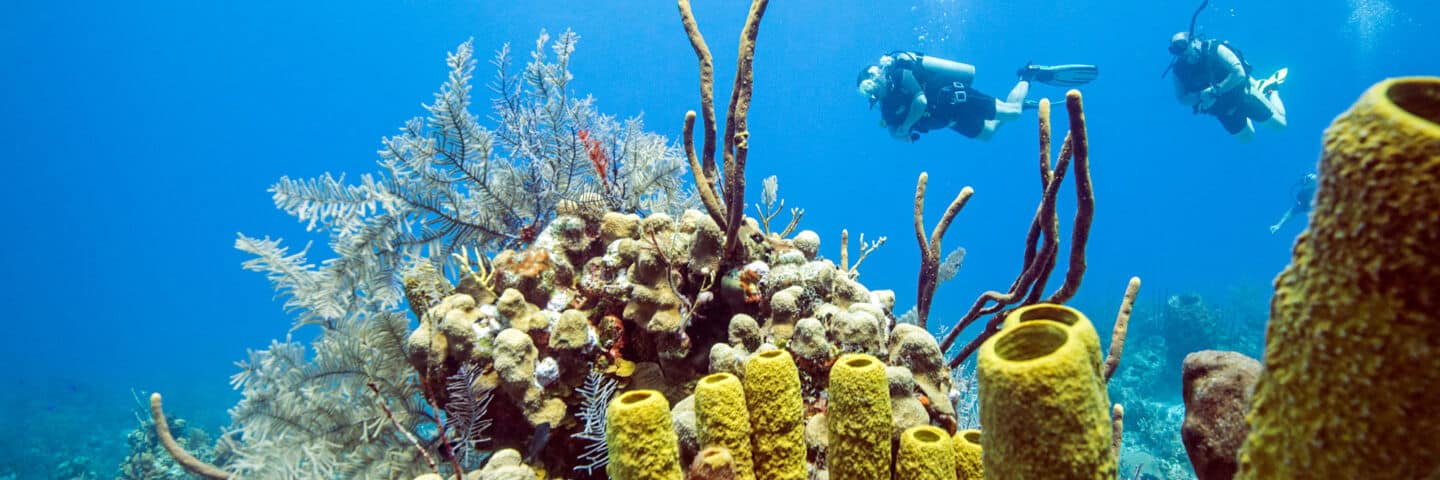
Grand Turk is the seat of government and the historical heart of the islands, though its scale is entirely domestic — a handful of pastel-coloured streets, a museum that is better than its size suggests, and a waterfront where cruise ships anchor but do not, mercifully, dominate. The diving off Grand Turk is considered by many to rival that off Providenciales: a wall that drops to over two thousand metres begins just metres from the shore.
For a guest based at a villa like Milestone on Grace Bay or Beach Kandi in Turtle Cove, Grand Turk makes a natural day trip by charter — long enough to feel like proper exploration, short enough to be back for sundowners.
How to do it
The practical approach depends on appetite and time. A fast boat from Providenciales can reach North and Middle Caicos in an hour; Grand Turk and Salt Cay are better done by charter flight, which Providenciales handles easily. A villa stay of ten nights or more opens the possibility of threading two or three of these excursions together — an approach that transforms a beach holiday into something closer to a genuine exploration of one of the Caribbean’s least-understood archipelagos.
The best islands, as a rule, are the ones that require some effort to reach. Turks and Caicos, seen properly, is full of them.