There is a particular kind of traveller who has seen most of what the Caribbean has to offer — who has done St. Barths in December, Mustique in the shoulder season, Anguilla quietly, and still finds themselves wondering whether the next chapter might look different. For many of them, that chapter is now beginning in Turks and Caicos.
The islands have been building towards this moment for some time. What was once known primarily as a beach destination — extraordinary in that respect, but perhaps not much more — has matured into something considerably richer: a place with genuine architectural ambition, a food and hospitality culture that no longer needs to apologise, and a natural environment of quite startling beauty. The question worth asking is why, and why now.
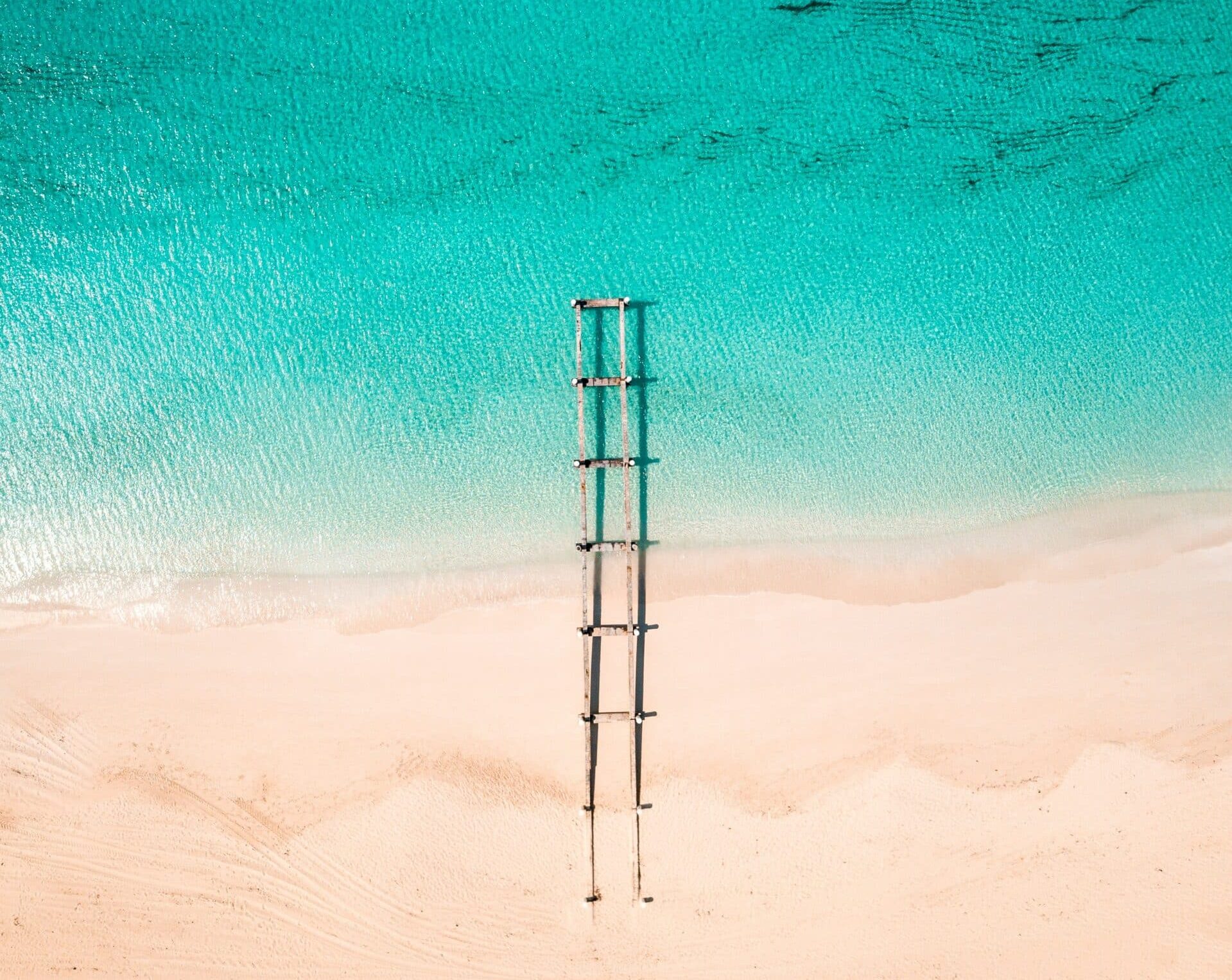
The Water, First and Always
Any honest account of Turks and Caicos begins here. Grace Bay has been ranked among the finest beaches in the world for so long that the accolade risks feeling routine — but the water itself never does. The colour is a product of the Caicos Bank, a vast shallow-water platform that filters and reflects light in a way that produces that particular luminous turquoise seen nowhere else quite so purely. Snorkelling off the shore of a villa such as Milestone on Grace Bay, you are above the third-largest coral reef system in the world, and it shows — the marine life is dense, healthy and largely unhurried by the presence of people.
Beyond the reef, the diving is world-class. The wall dives off Providenciales descend into extraordinary depths, and the visibility — routinely over thirty metres — makes them an experience that stays with you. For those who prefer their water from above, the kitesurfing off Long Bay is among the best in the Atlantic Basin.
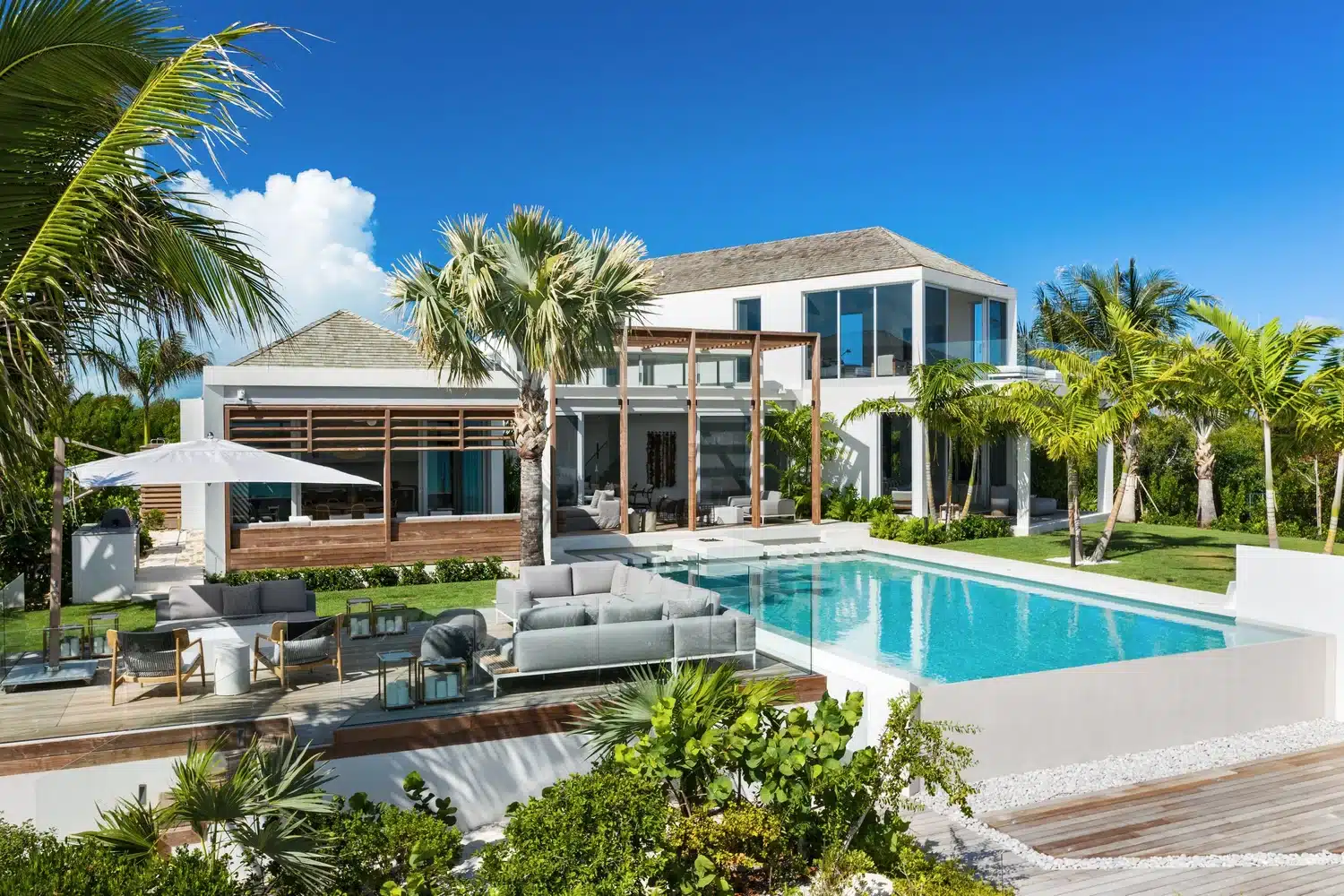
An Architecture That Has Grown Into Itself
The villa landscape in TCI has changed substantially over the past decade. What exists now, particularly along Grace Bay and on the private estates at Blue Cay, represents some of the most considered residential architecture in the Caribbean — buildings that have absorbed their setting rather than imposed upon it. Cabuya at Blue Cay Estate is a good example of the direction travel has taken: a residence that takes the palette of its surroundings — bleached coral, deep ocean, low salt scrub — and works with it rather than against it.
This is not a coincidence. The planning environment in TCI rewards restraint, and the buyers and developers who have shaped the most interesting properties here tend to be people for whom privacy and proportion matter more than spectacle. The result is an island that feels curated rather than crowded.
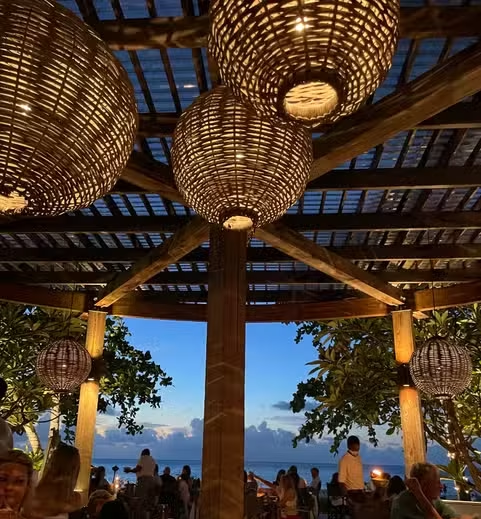
A Social Life at the Right Volume
One of the things that distinguishes Turks and Caicos from some of its peers is the calibration of its social scene. It exists — there are restaurants worth travelling for, beach bars that earn their reputation, and a November-to-April season with enough texture to satisfy — but it never overwhelms. The islands do not have the intensity of St. Barths at New Year, nor the political complexity of some larger Caribbean destinations. What they have is a kind of confident ease: the sense that everything is available, and that none of it is compulsory.
The culinary scene has matured accordingly. Restaurants along Grace Bay have moved well past the safe international menus that once characterised resort dining across the region, and private chefs with genuine credentials are increasingly available for villa stays — allowing guests at a property like Beach Kandi in Turtle Cove to eat as well as they would anywhere.
The Practical Case
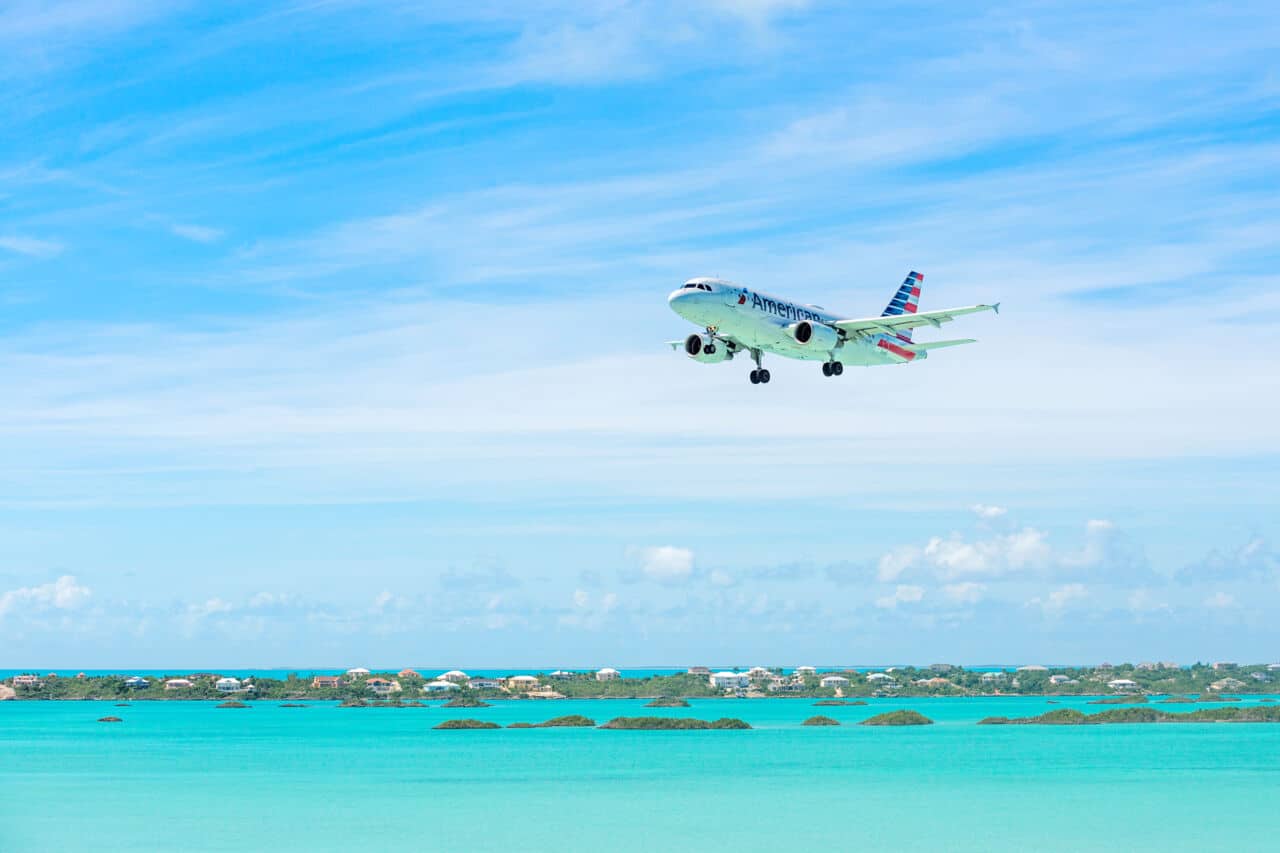
For European travellers, the logistics have never been more straightforward. Providenciales International Airport handles direct services from the United Kingdom, and the US connections — Miami, New York, Atlanta — are frequent and short. Once on the ground, the island is compact enough to navigate without difficulty, and remote enough to feel genuinely removed from ordinary life.
There is also the question of the Belonger culture — the name given to native Turks and Caicos Islanders — which shapes the character of the islands in ways that reward those who pay attention. The history here is layered and genuinely interesting: salt industries, Loyalist settlers, a Lucayan heritage that pre-dates European contact. TCI is not simply a backdrop for a holiday. It is a place with its own story.
That story is still being written. And at this particular moment, the chapter being added is a good one.